Review: Half Teacher Half Coffee Retro SVG for Stitching
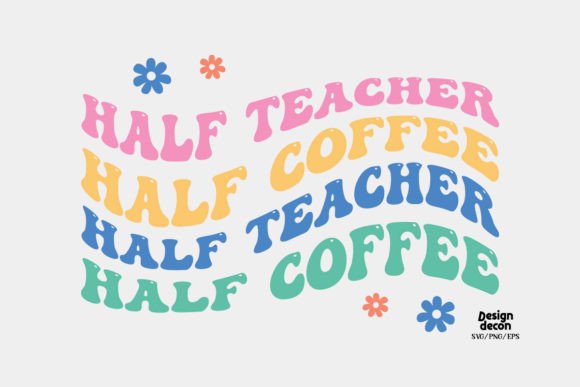
As a designer who spends more time staring at stitch simulations than I do sleeping, I have learned that not every cute graphic translates well to thread. We see thousands of digital files flood the market weekly, but only a handful survive the transition from screen to fabric. Recently, I pulled up the Half Teacher Half Coffee Retro SVG to evaluate its potential for real-world application. This isn’t just about whether the lines are clean; it is about whether this design can carry the weight of a paid commission or a best-selling item in a small shop.
The first impression of this piece is nostalgic and warm. The retro aesthetic taps into a current trend that blends vintage typography with modern lifestyle humor. For educators and coffee enthusiasts, this combination is gold. However, from a technical embroidery standpoint, the "retro" look often implies distressed edges or complex gradients, which can be nightmares for stitching if not handled correctly. My initial review focuses on how this specific layout balances visual charm with mechanical feasibility.
Visual Appeal and Layout Analysis
The composition of the Half Teacher Half Coffee Retro SVG relies heavily on balance. In my experience, designs that split themes—half profession, half passion—need clear visual separation without feeling disjointed. This graphic achieves that through strong central alignment. When I zoomed in to inspect the details, I looked specifically for thin lines that might break under the tension of a needle. The thicker strokes suggest that this design will hold up well, avoiding the fragility often seen in overly intricate script fonts.
For those working in Crafts and Graphics, the versatility of the file format matters. The download includes PNGs in color and black, an EPS, and a transparent SVG at 300 DPI. While SVGs are vector-based and infinitely scalable for cutting machines like Cricut or Silhouette, embroidery requires rasterization or specialized digitizing. If you are using this as a base for a machine embroidery design, you will need to ensure your digitizing software interprets these vectors correctly. The 12x12 inch dimensions provide ample room to scale down for smaller hoops without losing immediate clarity, which is a significant advantage for varied product lines.
Real-World Application Scenarios
I tested the concept of this design by mentally placing it on several common substrates. The most obvious candidate is a canvas tote bag design. Teachers carry books, graded papers, and lunch boxes; a sturdy tote with this witty graphic is both functional and promotional. The bold nature of the retro style stands out against natural cotton or beige canvas, making it highly visible in a school hallway or faculty lounge.
Another strong contender is sweatshirt embroidery. A crewneck sweatshirt in heather grey or navy provides a perfect backdrop for the contrasting threads likely needed here. The design’s width suggests it would sit comfortably across the chest without wrapping too far around the sides, which prevents distortion when the garment is worn. I also considered it for a personalized gift such as a mug wrap or a kitchen towel. For home decor items, the durability of the stitch pattern becomes critical, as these items undergo frequent washing.
If you are an Etsy seller or run a craft business, think about seasonal spikes. This design fits perfectly into back-to-school promotions or Teacher Appreciation Week in May. It also works year-round because coffee culture is evergreen. By offering this on different products, you maximize the return on your digitizing effort.
Technical Considerations for Stitching
While the graphic is appealing, translating it into thread requires careful planning. Here are the practical constraints I noted during my evaluation:
- Stitch Density and Texture: Retro designs often use solid fills. If you convert this directly, watch your stitch density. Too dense, and you risk puckering lightweight fabrics. Too sparse, and the backing shows through. I recommend using a medium-weight stabilizer to support the fabric, especially if you are stitching on stretchy materials like jersey knits.
- Thread Colors: The "coffee" element likely requires rich browns, while the "teacher" aspect might use classic chalkboard greens or blacks. Ensure high contrast between the text and the background fabric. If you are stitching on dark fabric, you may need an underlay stitch to pop the colors.
- Small Details: Check the smallest elements of the SVG. If there are tiny dots or serifs on the letters, they may need to be simplified or removed for smaller hoop sizes. A 4x4 inch hoop might crush the detail, whereas a 5x7 or 6x10 hoop would allow the design to breathe.
- Fabric Choice: Avoid sheer or loosely woven fabrics unless you are using a heavy cut-away stabilizer. Denim, canvas, and twill are ideal for this weight of design. For baby embroidery, ensure the back of the stitching is covered with a soft backing so it does not irritate sensitive skin.
Commercial Viability and Branding
For commercial embroidery projects, consistency is key. This design offers a professional look that elevates perceived value. Customers are willing to pay more for items that look crisp and intentional. The retro vibe aligns well with current boutique trends, helping your small shop product stand out against generic clip-art offerings.
When creating printable mockup images for your online store, use high-resolution renders to show the texture of the thread. Buyers want to see the sheen of the satin stitch or the texture of the fill. Since the file includes transparent PNGs, you can easily overlay the design onto product photos to create realistic previews before you even stitch a single thread. This saves time and reduces waste in your production process.
Final Designer Notes
Before you commit to a large batch, always test the design on scrap fabric identical to your final product. Check for registration issues if you are using multiple colors. Verify that the embroidery file settings match your machine’s capabilities. If you are new to digitizing this specific SVG, start with a simple running stitch outline to test placement before committing to complex fills.
Remember to check the licensing terms provided with the download. While the files are suitable for cutting machines, ensure you have the rights to use the resulting stitched designs for commercial sales if that is your intent. Most designers allow finished physical products but restrict the resale of the digital file itself.
In conclusion, the Half Teacher Half Coffee Retro SVG is a strong candidate for your next project. It balances humor with style, and its structural simplicity makes it forgiving for various skill levels. With proper attention to stabilizer choice and thread contrast, this design can become a staple in your portfolio of design assets. Whether you are making a holiday embroidery gift for a favorite educator or stocking your online store with custom apparel, this graphic has the versatility to perform well. Treat it with the technical respect it deserves, and it will reward you with a high-quality finished product that customers love.